Blog / Web Summit / Creator marketing
Web Summit 2026: AI and Creator Marketing Lessons for Brands
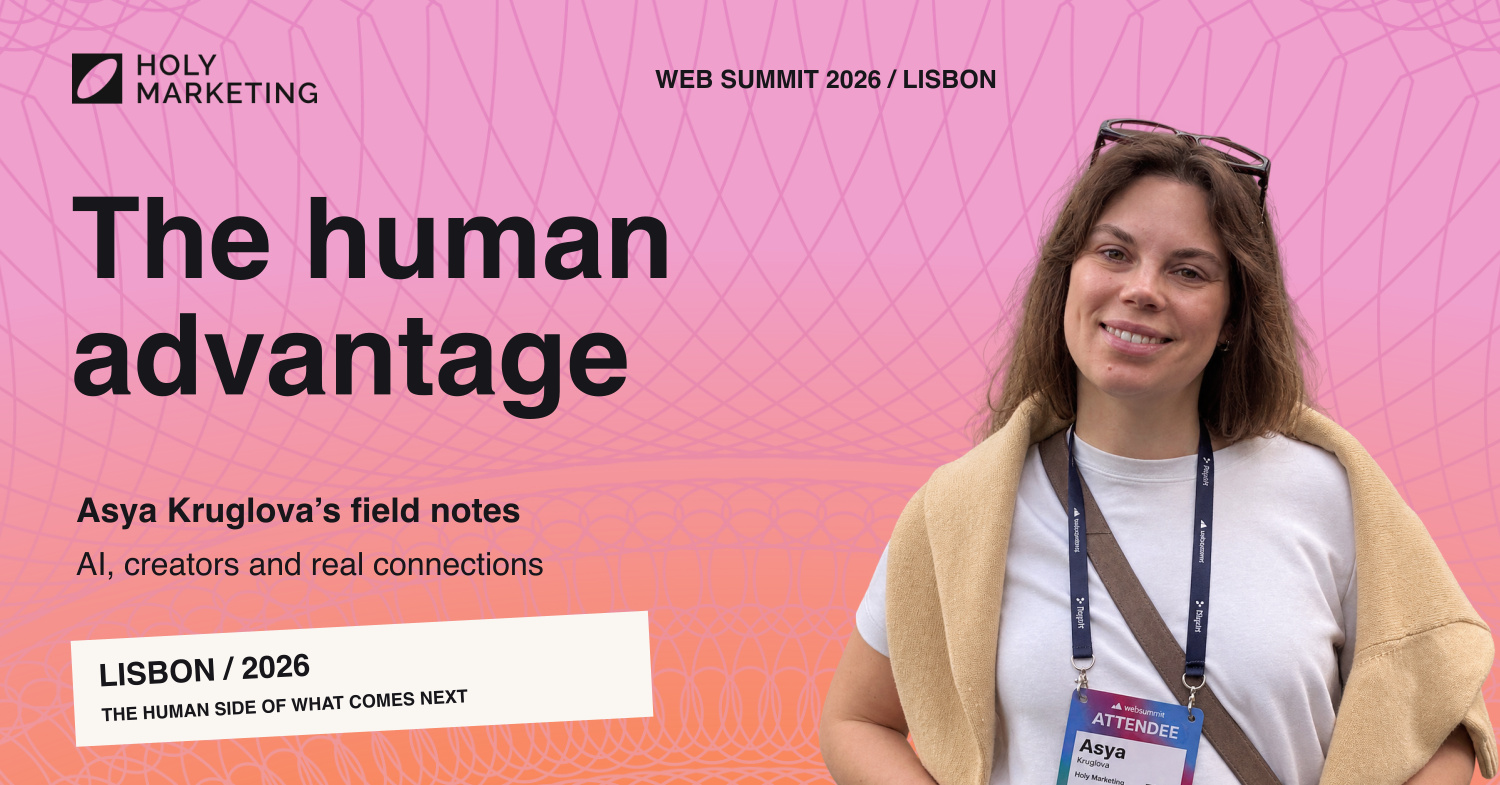
Robots made the coffee. People made the connections. Asya Kruglova’s first-hand notes from Lisbon on AI, human creativity and what brands can take home.
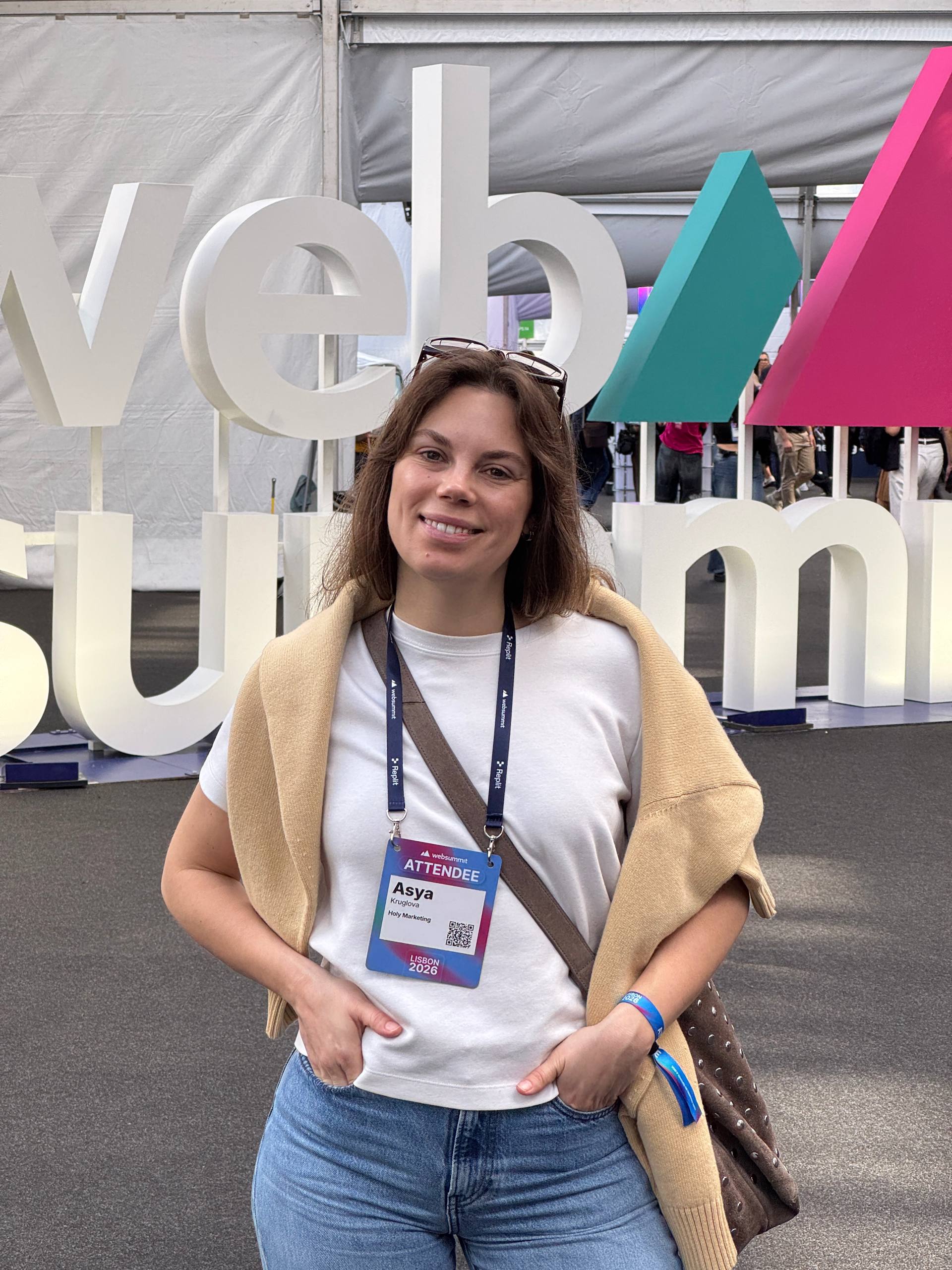
At my first Web Summit, in Lisbon in November 2026, AI was on the stages, at the booths, and in the conversations between them. There were robot baristas, dancing robots, humanoid robots. A marketing technology company had built an activation around personalized fragrance. If you wanted a glimpse of a more automated future, you could get one before finishing your coffee.
I went as someone who builds marketing around people: creators, communities, local knowledge, and the relationships that help a brand enter a new market. So my question throughout the week was very practical. When more of the work can be automated, what becomes more valuable?
I came home thinking about judgment. Taste. The ability to explain something complicated through an experience people recognize. And the simple value of being in a room together.
These are the notes I am taking back to our work at Holy Marketing, from Web Summit and the conversations around it. For brand teams, the questions are practical: how to measure creator work, give people room to think, and connect an attention-grabbing idea to a useful customer experience.
AI search and the value of original content
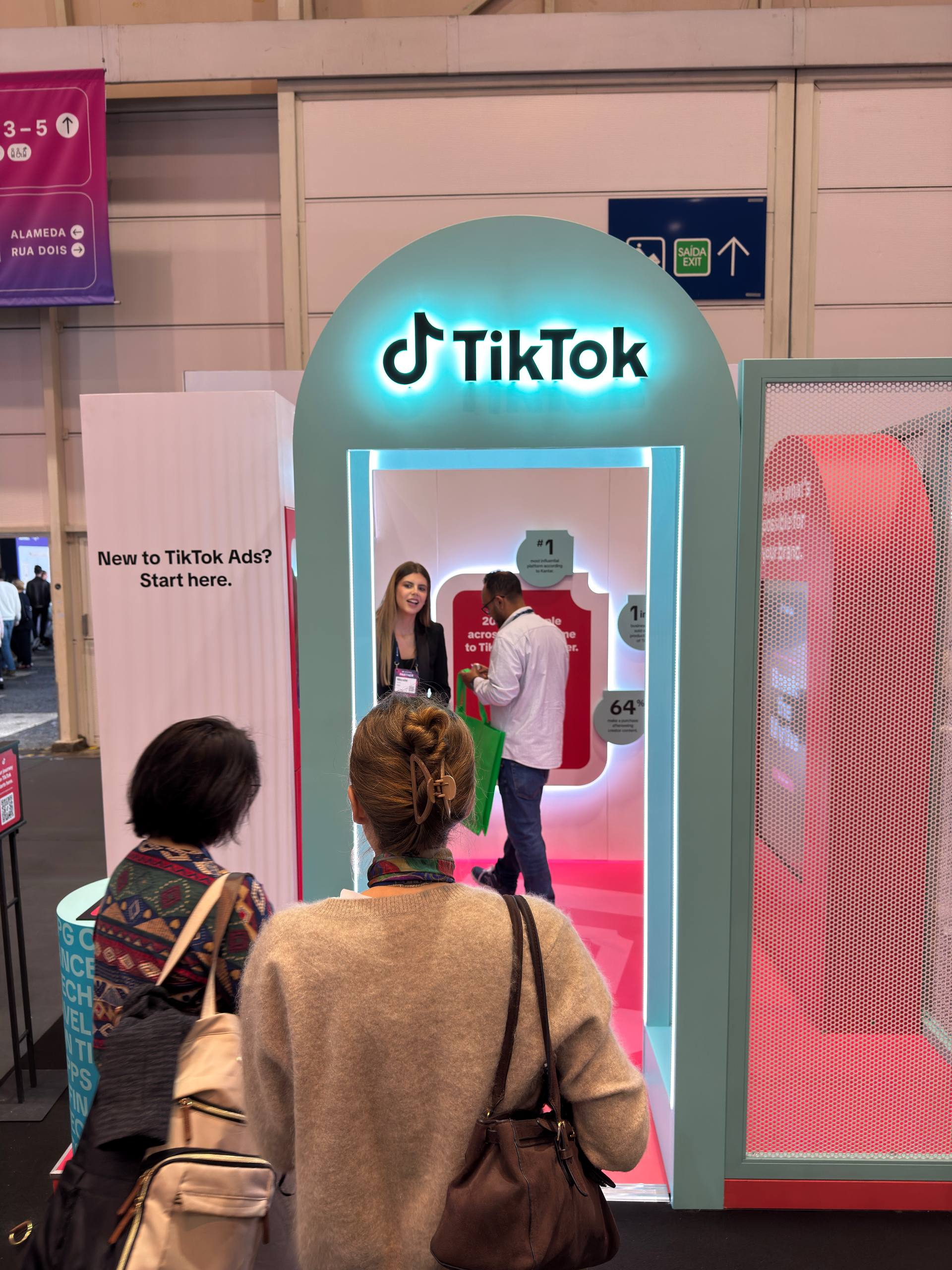
One of the discussions that stayed with me came from Matthew Prince, co-founder and CEO of Cloudflare.
His argument, as I took it from the stage, was that the internet's familiar economic arrangement is under pressure. People create useful information; people find it through search; traffic helps support the work through advertising, subscriptions, or sales. But an AI system can read the original material and answer a question without sending the reader back.
The information still has value. The person who made it may see less of that value returned to them.
Prince raised questions about how creators, journalism, and small businesses will be paid in that environment. He also described the risk of a divide between people who can afford better information and agents, and people left with a lower-quality alternative. I heard that as a design problem we should be discussing now, while the business models are still taking shape.
For marketers, it adds another question to visibility. Can someone understand what your business does, why it is credible, and who it serves, wherever they encounter it?
A detailed tutorial, a clearly attributed review, or a creator showing a product in a real situation can help answer those questions. That does not guarantee an AI citation or recommendation. But useful, specific material gives both people and discovery systems more to work with than interchangeable promises.
Cloudflare is also developing tools that give publishers more control over how AI systems access their content. The commercial model is still evolving; the value of making something useful is already clear.
My takeaway: invest in information someone would actually miss if it disappeared.
Creator marketing measurement: separate reach from outcomes
Jim Louderback, Editor & CEO of Inside the Creator Economy, connected several of the week's conversations for me. His remarks touched on measurement, the potential premium for human content, and the changing economics of virality.
The measurement question sounds familiar because it is. We can count a view. It is much harder to say exactly what that view changed, especially when someone sees a creator, searches for a brand later, asks a friend, and eventually buys somewhere else.
That uncertainty becomes expensive when a report treats every visible number as an answer. Reach tells us something about distribution. A thoughtful comment tells us something else. A purchase is another outcome again. They belong in the same conversation, but they are not interchangeable.
For a brand, I would start before the first piece of content goes live: decide what needs to change, what evidence would support that change, and what the measurement will leave out. For a creator, I would want to know which part of that job I am being hired to do. Our creator campaign measurement plan turns those decisions into a pre-launch checklist.
Read the excerpt transcript
But the problem is, we still don’t do a very good job providing CMOs and the people with the purse strings details on how to prove effectiveness of those creators.
Louderback's warning about virality was just as useful. His argument was that the organic distribution creators once expected has become less dependable, while paid amplification plays a bigger role. His recent newsletter, The Revenge of the Platforms, develops that point further.
I would not turn it into “organic is dead.” I would turn it into a better brief.
If paid support is part of the plan, agree on it early: the permissions, the budget, where the content will run, and how the results will be reported. Show organic and paid distribution separately, as in our campaign reporting guide. A video that reaches more people after media spend may be doing its job perfectly well; the useful question is what produced the result and what it cost.
Human creativity and taste in an AI-filled feed
Another part of Louderback's remarks was a prediction: as feeds fill with more synthetic material, people with taste and a recognizable human presence may become more valuable. He pointed to live streaming and appearing onstage as possible ways to make that presence felt.
I find that idea compelling, with an important qualification. Going live is not a foolproof certificate of humanity, and putting a person in front of a camera does not automatically make the work good.
What matters is what the person brings: an opinion they can explain, knowledge earned through experience, an unexpected response, a relationship with the audience. The moments that are difficult to reduce to a reusable script.
That connects with what I heard from Isobel Sita-Lumsden, Global Head of Business Marketing at TikTok: creativity remains central as AI tools expand what teams can produce.
The way I apply that thought is simple. Faster production makes a weak idea easier to repeat. It also gives a strong idea more room to develop. Someone still has to tell the difference.
For brands working with creators, this is a reason to make creative judgment part of the selection process. Ask what a creator notices about your category. Ask which audience question your brief has missed. Give them enough context to understand the business, then enough room to contribute something you did not already write.
Our creator casting approach makes that judgment part of the brief.
At Holy, our creator campaigns are built around real people. We use AI in our workflows, while keeping the face, voice, experience, and responsibility with the person. That is a deliberate choice about the kind of relationships we want to build.
Xiaomi’s connected ecosystem: show the customer experience
Xu Fei, Xiaomi’s Vice President and Chief Marketing Officer, offered another way to think about the same challenge through the company’s “Human × Car × Home” ecosystem: phones, connected devices, homes, and vehicles organized around the person using them.
I can appreciate the ambition and still have a very human reaction to it. I am not personally ready for my car and refrigerator to become that close.
But as a marketer, the shift is interesting. Once a company offers a connected experience, explaining each product separately only tells part of the story. The question becomes how it fits into someone's day, what becomes easier, and where the person still wants control.
Creators can make that tangible. A useful demonstration follows an actual routine, including the awkward parts and the decisions. It gives a potential customer something to recognize in their own life.
I think about our work in the same way. A creator campaign needs to connect with the website, the offer, paid distribution, PR, partnerships, and what happens after someone shows interest. If every touchpoint tells a different story, more content will not fix the experience. A creator campaign landing-page review is one concrete place to check that continuity.
Optimizely’s AI fragrance activation: a B2B marketing lesson
The Optimizely booth was one of my favorite examples of making an abstract idea easy to approach. The company works in digital experiences and marketing technology. At Web Summit, its activation used AI and fragrance.

You could see why people would stop. A scent is immediate and personal. It gives you something to react to before anyone starts explaining a platform.
My reading of the activation was that it made personalization physical. It offered a way into the company's story through a sensory experience, rather than expecting every passerby to be interested in the technical description first.
There is a useful lesson here for B2B brands and the creators who work with them. Find a human moment that helps someone understand the capability. The demonstration does not have to look like a software dashboard, but the connection should become clear when you explain it.
A good hook earns attention and gives that attention somewhere useful to go. Otherwise, people remember the free perfume and forget the company.
AI content production and synthetic influencers are different decisions
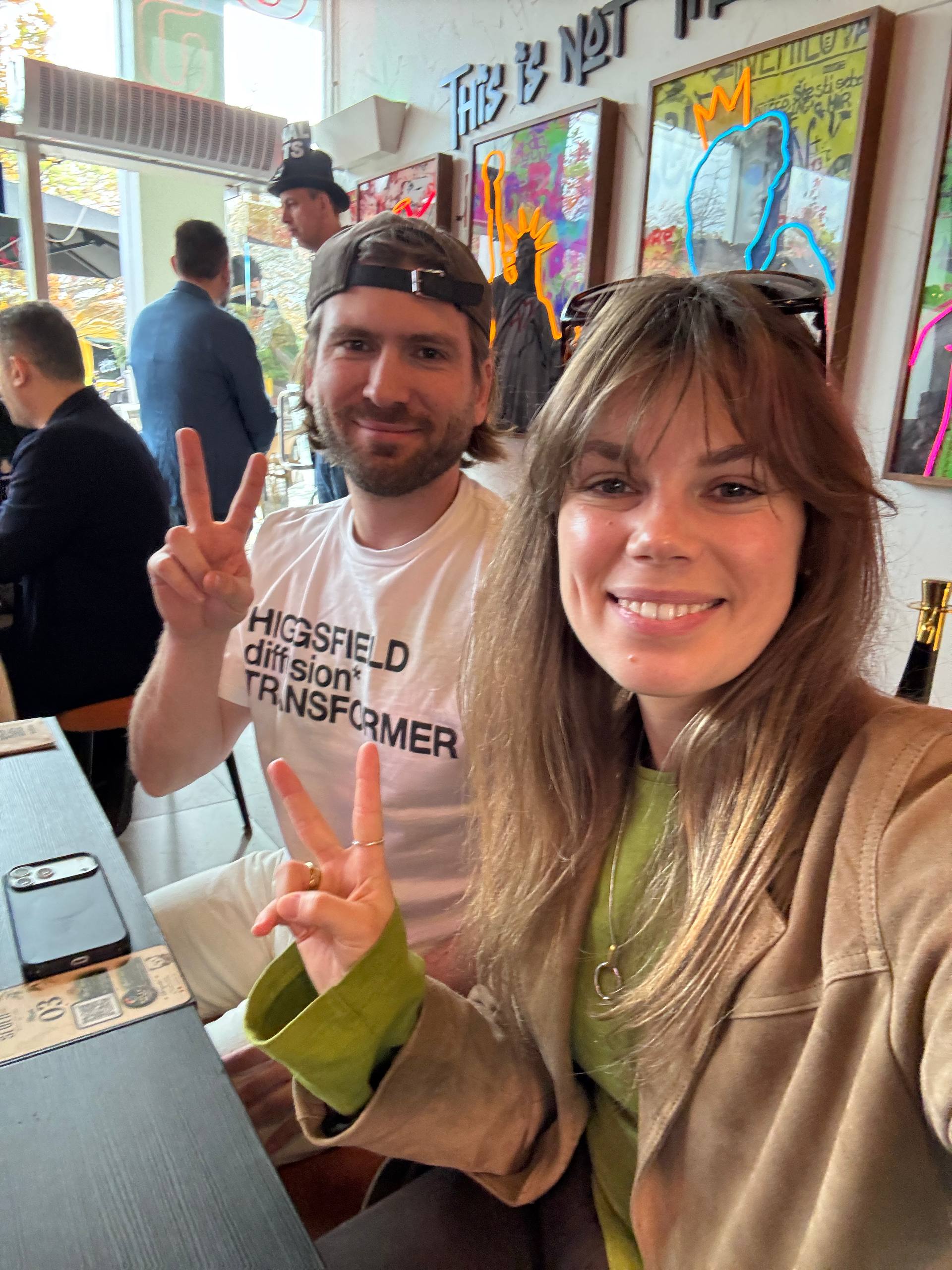
I also met Roman Mastobaev from Higgsfield AI. We discussed how quickly AI visuals have improved, the possibilities for e-commerce, and how audiences respond to synthetic characters.
My view on this is that using AI to develop production ideas, generate variations, or make a workflow faster is one decision. Asking a synthetic character to occupy the place of a human creator is another.
There are audiences interested in fictional and synthetic characters. I do not think curiosity about those formats should be dismissed. But people should understand what they are looking at. A character should not be presented as someone with a personal life or product experience it never had.
Disclosure matters, and so does the content of the claim. Labeling something AI-generated does not make an invented testimonial meaningful.
For our work at Holy, I keep coming back to the contribution a real creator can make: experience, cultural context, judgment, and an ongoing relationship with the people watching. AI can support the work around that contribution. It does not supply the lived experience itself.
Networking at Web Summit: the conversations I want to continue
Some of the moments I valued most happened away from the stages. I reconnected with founder communities, including R-Founders, and met people in person whom I had previously known online. That changes the texture of a relationship. You have time for the unfinished thought and the follow-up question.
Among the people I was glad to connect with were Sasha Zharkova and Evgeny Davydov, co-founders of SETTERS, and Irina Tatarinova, Brand Director at Udora.
Udora is a global gifting marketplace connecting customers with local florists, confectioners, and independent makers. It is a business where the local details matter: what people give, when they give it, and what a gesture means in a particular culture. That is exactly the kind of context I want us to keep paying attention to as marketing becomes more automated.
Irina writes Digital Small Talk. If you are interested in brands and the way cultural ideas travel between markets, add it to your reading. I am also keeping Jim's newsletter close as these creator-economy questions develop.
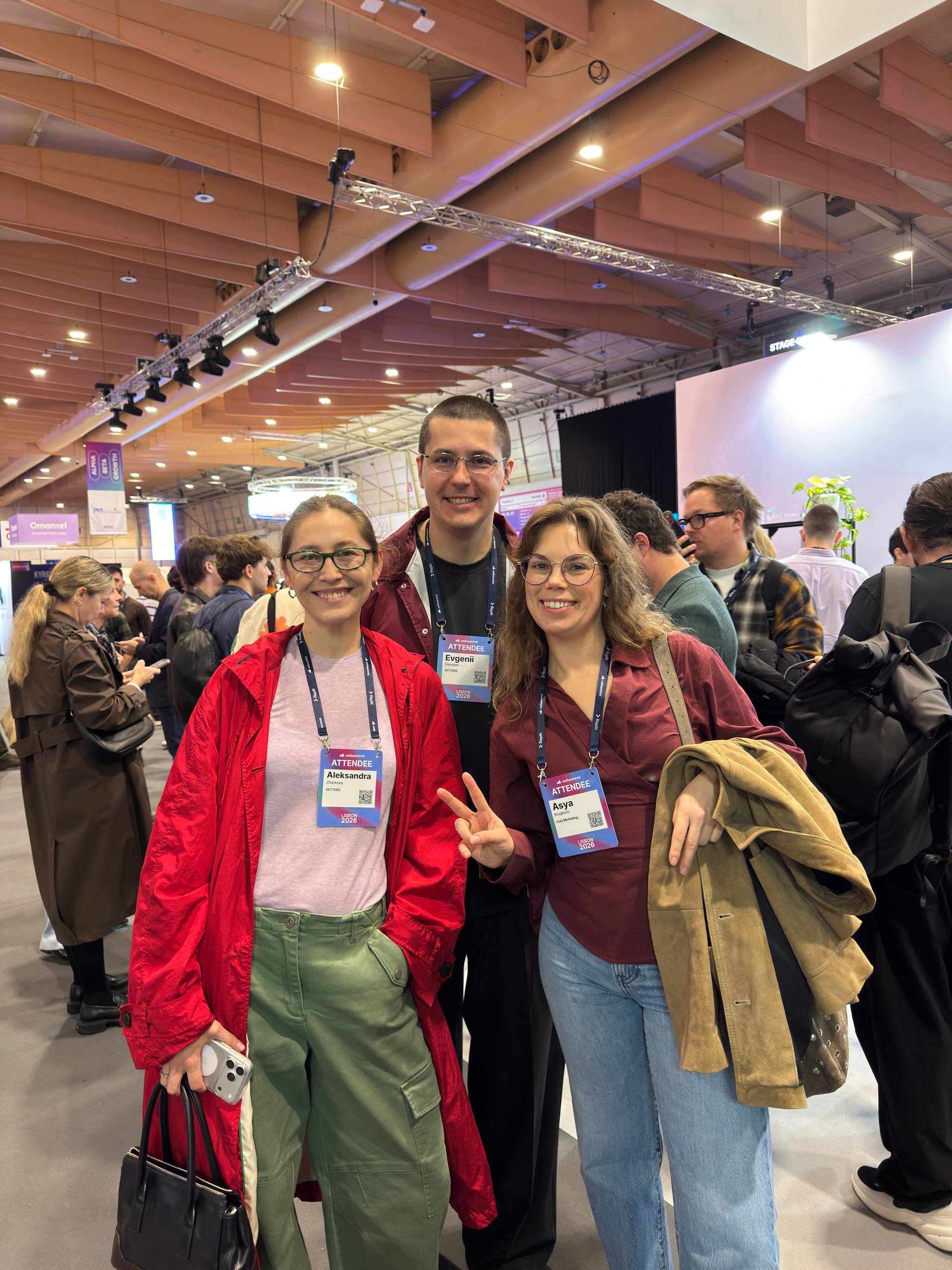
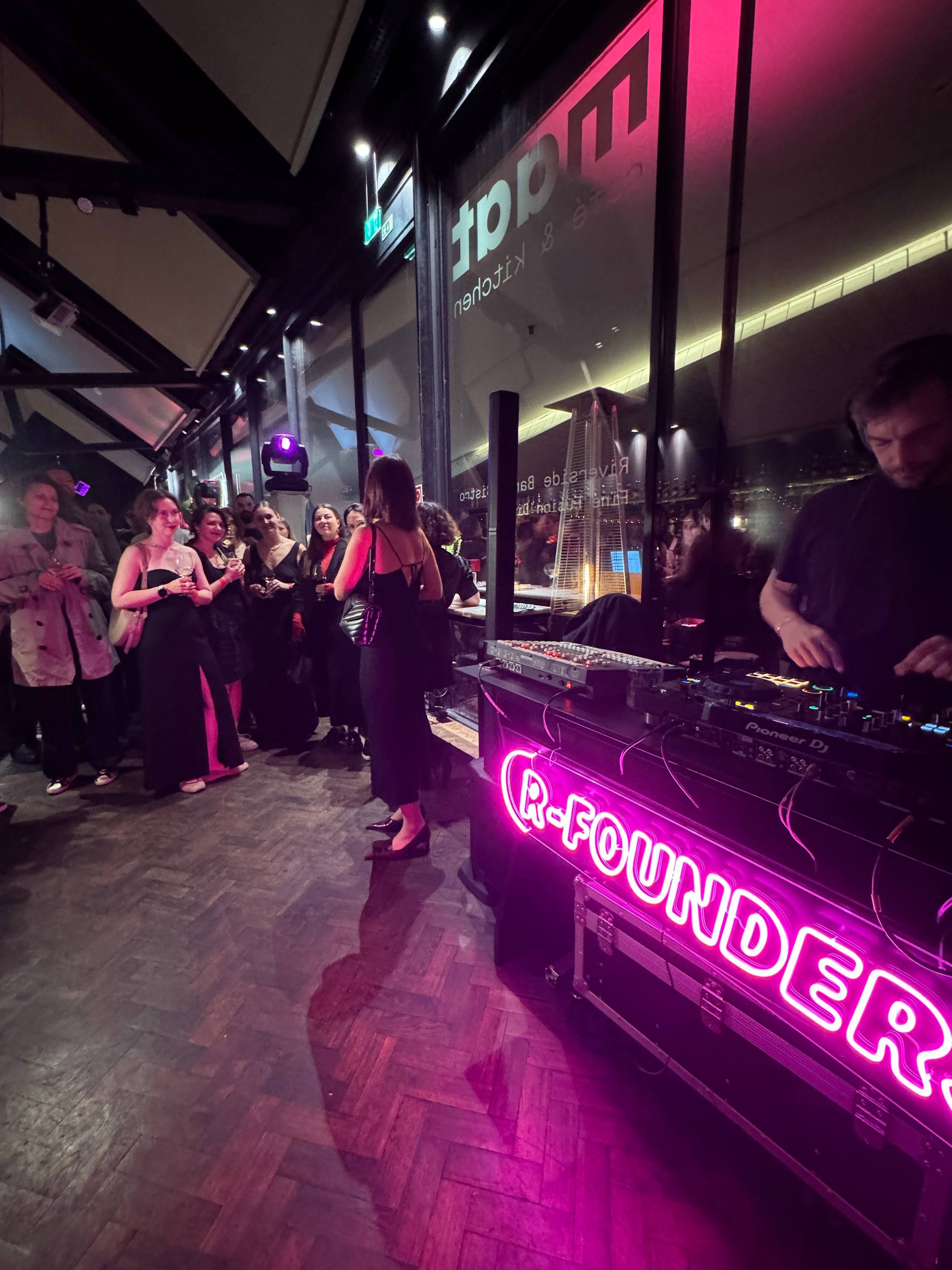
The value of local relationships also runs through my Helsinki notes on entering a new market.
Thank you to everyone who made room for a conversation in Lisbon. The names and photographs are part of this story because the people were part of the experience.
After Web Summit: what to do with the time AI gives back
I left Web Summit optimistic about what AI can take off our plates. There is work that uses up so much energy that, by the time it is done, we have very little left for the work we care about.
But time saved does not automatically become time well spent. We can use a faster workflow to make more disposable content, or we can use the breathing room to develop an idea, learn something, talk to a customer, or finally make the thing we keep postponing.
My hope is that more of us choose the second option. Less passive consumption. More participation, curiosity, and making things with a point of view.
For me, the work after Lisbon starts there: get more precise about measurement, give creators room to think, connect the full customer experience, and keep building relationships beyond the feed.
The robots were impressive. I am glad I went to meet the people.
Five questions for your next creator campaign brief
These are practical ways to bring the lessons above into the next planning conversation:
- Original value: What does this content explain or demonstrate that an interchangeable promise cannot?
- Measurement: Which outcome matters, where will the evidence come from, and what will remain unattributed?
- Distribution: Which placements are organic, which are paid, and are the budget and permissions agreed?
- Creative contribution: What can this creator bring from their own experience that the brand’s script leaves out?
- Customer experience: After the hook earns attention, does the next step deliver the same promise?
For a recurring content program, the Creator Factory pilot guide helps turn those questions into a defined first cycle.
About the author and this article
Asya Kruglova is a co-founder of Holy Marketing, working with brands through creators, culture and local understanding. This article preserves her first-person observations and distinguishes speaker paraphrases and predictions from her own interpretation.
Adapted for the Holy Marketing website from Robots made the coffee. People made the connections, originally published on November 19, 2026. Photos and video supplied by Asya Kruglova. Speaker roles and supporting company sources were checked on November 19, 2026; linked references appear beside the relevant passages.
Planning a creator campaign or entering a new market? Explore our influencer marketing work or talk through your brief.